The swipe era is no longer enough. The online dating market is entering a new phase where depth, personalization, and intelligent matchmaking define competitive advantage. Match-making technologies and personalization algorithms will become a primary means of differentiation. Online dating began as a casual discovery. Now, users are seeking meaningful engagement. This has resulted in platforms becoming data-driven ecosystems. In a data-driven era, users can expect data-driven insights into safety and compatibility, as well as personalized engagement.
According to industry research, the global online dating services market was valued at approximately USD 7.79 billion in 2026 and is projected to reach USD 13.57 billion by 2031, reflecting strong growth in the dating platform industry worldwide. Revenue will be led by mobile applications. A quality user experience of over 4.5 is directly correlated with increased engagement and revenue. Hinge has achieved these results, consistently ranking in the top lifestyle applications in the US, UK, and Canada.
For users and investors, new opportunities will arise as competition increases. Differentiated user experiences will enhance engagement. Allowing user experiences to drive engagement will be achieved through dating app development that incorporates artificial intelligence, compliance systems, scalable monetization systems, and user retention systems.
What Is Hinge and How Does It Work?
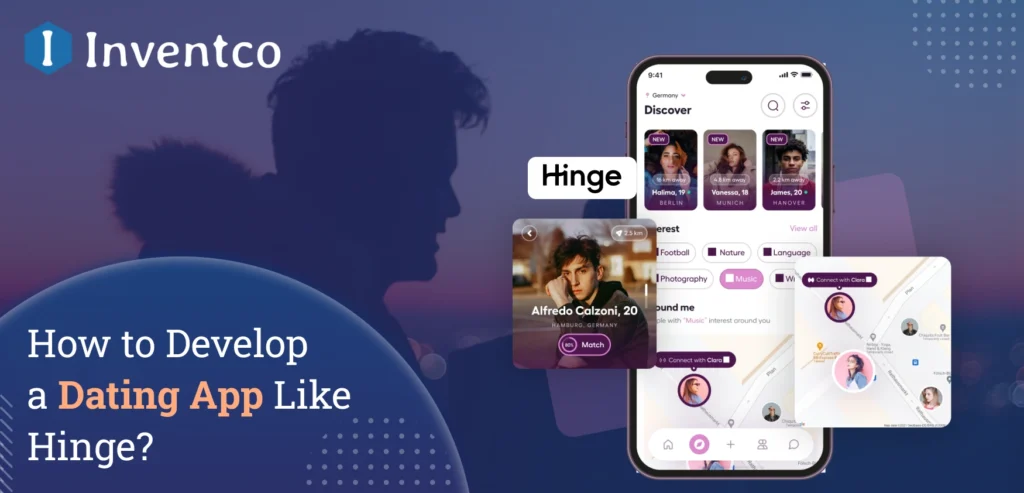
Hinge is positioned as “the app designed to be deleted.” Hinge focuses on everlasting relationships and long-term dating and has no use for mindless swiping. Hinge is not a typical, swipe-centric dating app. Hinge prompts its members to use leading profiles, images, and responses. This approach requires members to initiate more thoughtful and meaningful conversations.
How the Platform Works?
1. Profile Creation
The first part is that Hinge Users must complete a profile. These include answers to a series of prompts, and uploading photos. Users authenticated their profiles. This increases the chances of more meaningful matches.
2. Algorithmic Matching
Using AI in a dating app looks for behavioral patterns within user interests, profiles, and interactions. This predictive modelling provides members with the best matches based on their interests.
3. Intent-Based Interaction
Natural, channelled engagement is created when users comment on posts or photos or buy likes. The members use and create more context when choosing what to comment about.
4. Continuous Feedback Loop
The complexity of Hinge’s Most Compatible feature stems from its use of user-generated data. This data allows Hinge to improve its predictive modelling over matches and enhance long-term user satisfaction.
Business Model
Hinge employs a freemium monetization strategy, offering access to core features for free while charging for premium subscriptions. Preferred Membership, along with profile boosts, prioritized likes, and increased control over visibility for matches and user engagement, are additional sources of revenue for the company.
How to Develop a Dating App Like Hinge?
Developing a dating app similar to Hinge requires a structured, investment-ready roadmap that prioritizes scalability, compliance, monetization, and AI.
Below, you will find a framework that can be followed step-by-step app development process by both founders and investors.
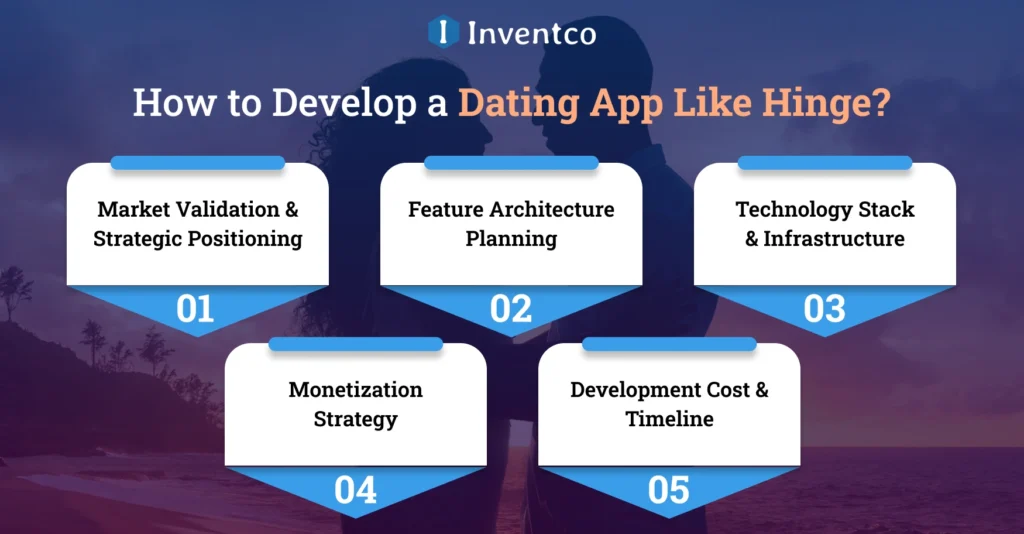
1. Market Validation & Strategic Positioning
The development process begins with securing funds and market confirmation. Potential investors will want to see demand and market confirmation to guide their positioning. Founders should consider their target audience (Gen Z, professionals, niche communities), geographic focus, preferred app monetization method, and applicable legal regulations, such as GDPR and CCPA.
2. Feature Architecture Planning
The optimal structure and platform should consist of equal amounts of simple and generalized intelligence features in mobile apps.
- Core Features: Smart onboarding, AI-powered compatibility scoring, geo-based discovery, secure messaging, and behavioral analytics.
- Advanced Features: AI-based conversation suggestions, video profiles, identification verification, and subscription/micro transaction models.
3. Technology Stack & Infrastructure
A scalable architecture ensures long-term growth without performance compromise.
- Frontend: Flutter or React Native
- Backend: Node.js or Django
- Database: PostgreSQL or MongoDB
- AI Layer: Python-based machine learning models
- Cloud Infrastructure: AWS or GCP
- Security: End-to-end encryption
A revolvable structure should allow immediate scalability to millions of users.
4. Monetization Strategy
Defining clear revenue streams is essential for gaining investors’ trust. Typical channels include subscription tiers, profile boosts, super likes, premium visibility features, in-app purchases, and voluntary advertising. Reviewing benchmarks like how dating apps make money? helps refine pricing strategy.
5. Development Cost & Timeline
The Cost to build a dating app depends on the depth of features, AI integration, compliance requirements, and design sophistication.
- MVP: $10,000–$25,000
- Mid-Level Platform: $25,000–$55,000
- Advanced AI Platform: $55,000–$1,00,000+
Estimated Timeline: 3–8 months, depending on complexity and scalability goals.
Best Dating Apps Like Hinge You Should Try
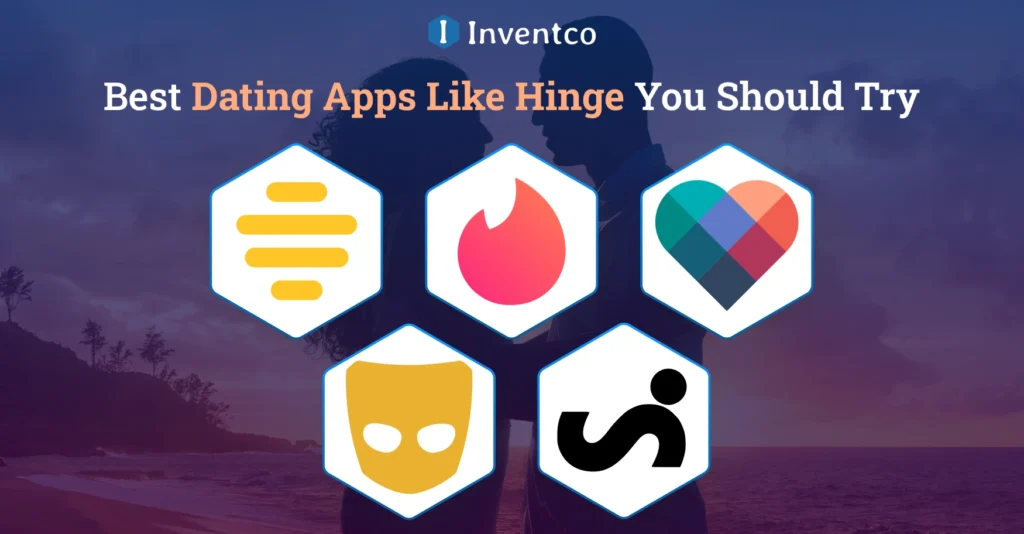
Investors researching dating apps like Hinge should closely evaluate these leading platforms. They all provide unique monetization methods, user engagement strategies, and UX philosophies, thereby affecting user retention and revenue growth.
1. Bumble
Bumble innovates the swipe-centered dating app model. Where most apps rely on users to initiate conversations, Bumble has women initiate the conversation to reduce the risk of uncomfortable situations. Bumble has a unique user engagement model: users must complete profile prompts and actively participate by keeping the conversation going to extend engagement.
This monetization method has allowed Bumble to have a unique positioning to its users in that they need to have a subscription to the app to gain premium visibility.
| Best for | Women seeking a more structured dating experience. |
| Pros | Increased user safety, unique segmentation. |
| Cons | Time constraints could reduce the likelihood of matches in the long run. |
2. Tinder
Tinder’s success in the dating app industry can be attributed to its simplicity and high engagement. Tinder’s model allowed users to swipe and choose a date based on looks. Tinder’s model enabled mass-market appeal and monetization. Tinder is the opposite of Hinge’s model. Hinge considers user prompts when ranking users, whereas Tinder uses an algorithm to rank them based on engagement.
If you want to make an app similar to Tinder, you would have to study how Tinder makes money. Tinder makes money through subscriptions, boosts, super likes, and the ability to make your profile stand out. This creates opportunities for users to spend money, providing Tinder with a scalable way to bring in revenue that many other companies in the industry have copied.
| Best For | Users who want a flexible, casual, and serious dating experience. |
| Pros | Global reach, ability to make money through users, and a well-known brand. |
| Cons | Increased shallow interactions and decreased compatibility. |
3. eHarmony
eHarmony is a dating app that aims to match users for long-term relationships through psychological tests. eHarmony is a swipe-based app, but requires users to complete long personality questionnaires, value assessments, and relationship goal explorations.
Users answer these questions, and an algorithm developed by eHarmony will provide matches based on users’ compatibility scores, resulting in fewer but higher-quality matches. This compatibility software helps eHarmony create subscription services that generate significant long-term revenue.
| Best For | Individuals who want to be married or in a serious relationship. |
| Pros | Strong quality relationships and compatibility. |
| Cons | Users have to answer many questions to get matches, and those who want to date casually probably won’t like the app. |
4. Grindr
Grindr is a dating app for the LGBTQ+ community that uses a social media model. Users can find and interact with users in their area through a real-time geo-discovery system. This creates many opportunities for quick interactions. Grindr is the opposite of Hinge. Grindr wants to bring people together and help them have conversations quickly.
For entrepreneurs considering building an app like Grindr, the following are effective: niche monopolization, hyperlocal discovery, and community positioning. They also offer various monetization models, including subscription tiers, premium services with locational filters, and ads with tools to improve filter positions, which reinforce scalability and revenue within their targeted user ecosystem.
| Best For | LGBTQ+ users looking to find people nearby and participate in the community. |
| Pros | Significant attention to the niche with high long-term user engagement. |
| Cons | Time horizon/compatibility scopes are absent; proximity filtering serves as the primary means of matching. |
5. Sniffies
Sniffies is a map-based, real-time discovery platform accessible through a web browser. Users remain anonymous, and their location drives their interactions. Users can connect based on proximity without needing a profile or answering prompts. Sniffies is about speed, discretion, and real-time discovery rather than a personality engagement model like Hinge.
When thinking about an app like Sniffies, it shows how quickly engagement can be achieved with a narrow audience through the right combination of geolocation tech and simple onboarding. Its monetization strategy is based on real-time discoverability and user engagement through premium visibility filters and subscriptions.
| Ideal Target Market | Users looking for immediate connections based on their location. |
| Pros | Good niche engagement through an interactive map. |
| Cons | Lack of user-compatibility structured features. There is a high risk of privacy issues, and significant user moderation will be needed. |
How to Choose the Best Hinge Alternative for You?
Finding an alternative to Hinge requires some thought, as new competitors emerge almost every day. Not every application prioritizes user safety, user engagement, or compatibility equally. Some users or evaluators examine the underlying conditions or frameworks that the application provides before evaluating the solution.
1. Matching Algorithm Transparency
Users should understand the processes involved in constructing matches. Is there an optimization for behavioral users? Is there a psychological assessment credited? Is there a vote? Is it a swipe? Users’ trust and the systems’ predictive validity will increase by providing explanations.
2. Demographic Alignment
Users look for a goal related to the type of relationship. Is there a long-term relationship, casual dates, or a combination of both? Some users on some applications seek short-term, casual connections, while others seek long-term commitments.
3. Pricing Model
Users should examine the available pricing plans to determine the balance between the level of engagement achievable with the available features and the associated costs.
4. Safety Infrastructure
Long-term engagement and user trust can be maintained through robust user verification, proactive moderation, and privacy protections.
5. UX Simplicity
The platform’s design should be enjoyable to use and have no learning curve.
The best alternatives to Hinge focus on genuine user engagement and meaningful matches based on compatibility, rather than prioritizing endless swipes and superficial interactions.
How You Can Start Your Own Dating App Business Like Hinge?
Value can only be captured in the existing market by building a product that leverages the latest technologies and trends for your investors. Having a product similar to Hinge is seen as building with little to no value capture potential. Founders must approach development with an investor-grade roadmap focused on differentiation and measurable performance metrics.
Strategic Roadmap
Your initial clear focus will be the cornerstone of most differentiation. The most distinctive element of your app will be its proprietary AI matchmaking system that matches user preferences. Complementing this will be the most advanced reg-tech to ensure your platform is pro-compliant and has the best behavioral and engagement tech to optimize user retention.
What Investors Prioritize?
Investors in dating apps look for distinct metrics of success, including return on customer acquisition and user retention for over 30 days. The demand for alternatives to Hinge focuses on dating apps that use AI for matchmaking and other features that enhance the dating experience.
Conclusion
Dating apps have shifted from simple swipe-based systems to more sophisticated, AI-driven matchmaking platforms that enable users to engage more deeply by customizing their experience. Relational-based interactive communication, behavioral analytics, and personalized communication systems have increased user retention and monetization for apps like Hinge and other dating platforms.
Dating app users seek high relevance, personalization, and emotional connection rather than just multiple matches. This area, which combines behavioral AI and emotional analytics, offers dating app developers and industry professionals a significant opportunity to innovate by providing deeper insights into emotional relationships and connections.
For Hinge and other next-generation dating apps to thrive, industry leaders must move away from swipe-based features and other dating app user interface conventions. They must construct sophisticated, intuitive matchmaking systems that engender user trust and loyalty, justify charging subscription fees, and have long-term, viable online business potential in the current, fiercely competitive landscape for Hinge and other new dating apps.
FAQ’s
Q1. How much does it cost to develop apps like Hinge?
Ans. Development costs typically range from $10,000 for a lean MVP to $100,000 or more for enterprise-grade, AI-driven platforms, depending on feature complexity, app security layers, compliance standards, scalability requirements, and long-term infrastructure planning.
Q2. How long does it take to build dating apps like Hinge?
Ans. Building a dating app like Hinge generally takes four to nine months, covering discovery, UX strategy, frontend and backend development, AI integration, compliance checks, mobile app testing, security audits, and launch preparation.
Q3. What technologies are best for building Hinge alternatives?
Ans. Modern hinge alternatives use Flutter or React Native for cross-platform development, Node.js or Django for backend systems, PostgreSQL or MongoDB databases, cloud hosting, and Python-based AI models for intelligent matchmaking algorithms.
Q4. How do dating apps generate revenue?
Ans. Dating apps generate revenue through subscription plans, profile boosts, super likes, in-app purchases, premium visibility features, microtransactions, and sometimes targeted advertising models designed to sustainably increase average revenue per user.
Q5. Is AI necessary for modern dating apps?
Ans. Yes, AI is essential for modern dating apps because it enhances compatibility matching, improves user personalization, detects fraudulent behavior, optimizes recommendations, increases engagement rates, and strengthens overall platform retention.
Q6. What makes the best dating apps like Hinge successful?
Ans. The best dating apps, like Hinge, succeed through strong compatibility algorithms, niche targeting, seamless user experience design, safety verification systems, scalable infrastructure, and optimized monetization models that support long-term growth.
Q7. Can investors profit from launching dating apps?
Ans. Investors can profit from dating apps when platforms demonstrate strong user retention, scalable architecture, diversified revenue streams, clear market positioning, data-driven optimization, and a sustainable lifetime value that exceeds acquisition costs.
Q8. What are the biggest risks in dating app development?
Ans. The biggest risks include data privacy breaches, regulatory non-compliance, weak user retention, limited differentiation, ineffective monetization strategies, high acquisition costs, and technical scalability challenges impacting performance and reputation.

Ajay Bhal
He is an on-demand app solutions expert with 11+ years of experience in business consulting and building scalable, user-centric digital products. He specializes in robust on-demand platforms across industries, combining technical expertise with business-focused strategy to deliver efficient, top notch solutions that drive growth and enhance user experience. You can connect with him on LinkedIn to follow insights.